Overview of Daily Eating Contexts at Home and Work
Exploring how different environments shape our everyday food choices. This educational resource examines the relationship between where we are and what we eat.
Educational content only. No medical services. No promises of outcomes.
Explore Daily Context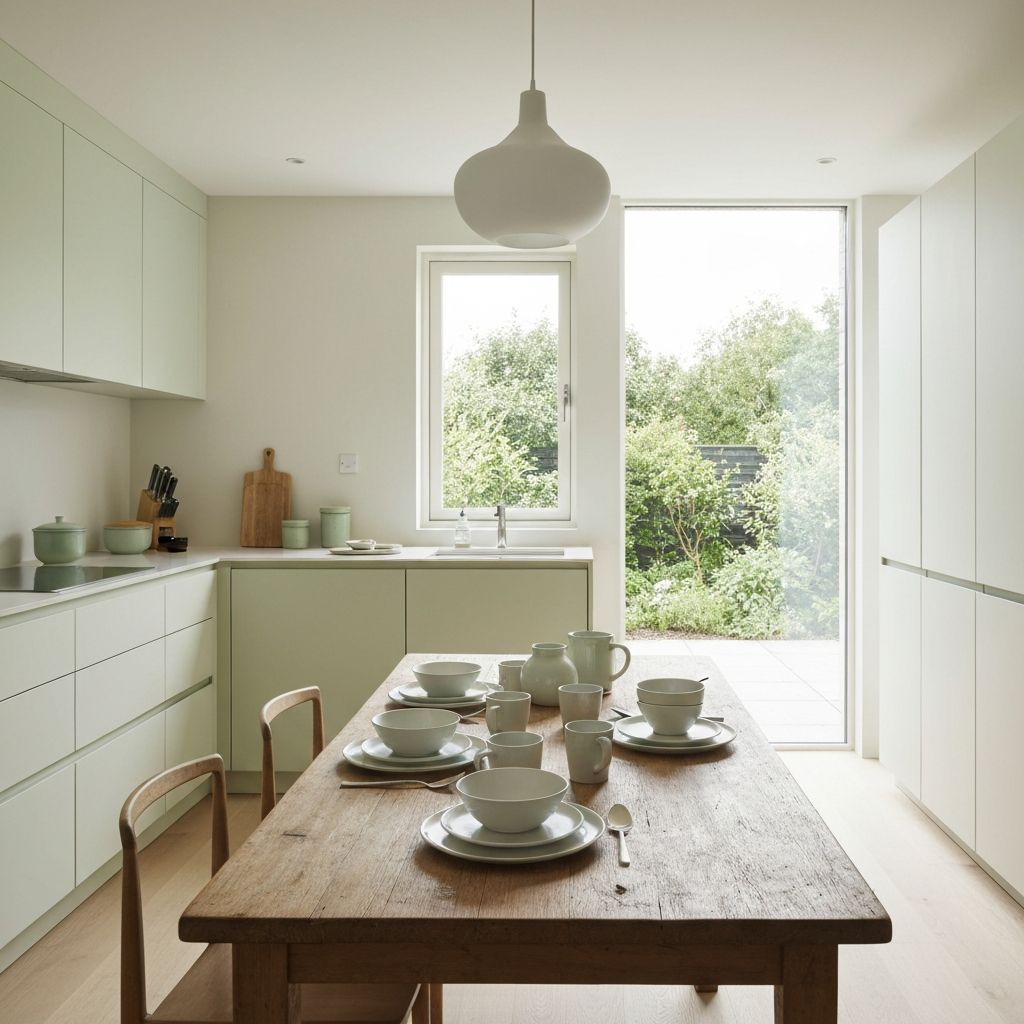
Morning Routines and Home Meals
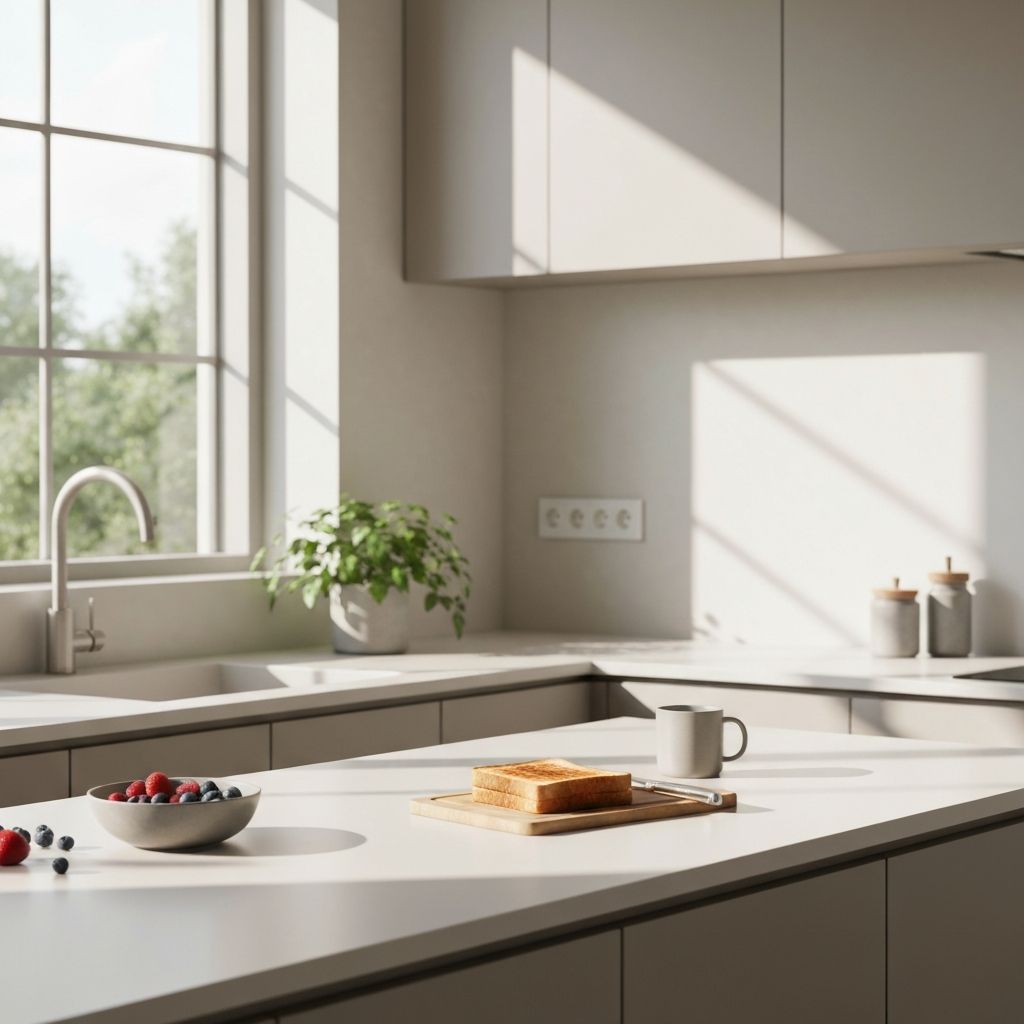
The home environment plays a significant role in shaping morning eating patterns. Research observations suggest that factors such as available time, household composition, and kitchen accessibility all contribute to breakfast choices.
Many individuals report that their morning routines are influenced by work schedules, commute times, and personal preferences developed over years of habit formation.
Understanding these patterns can help contextualise why breakfast habits vary so widely between different households and individuals.
Workday Lunch Habits
Office Environment Factors
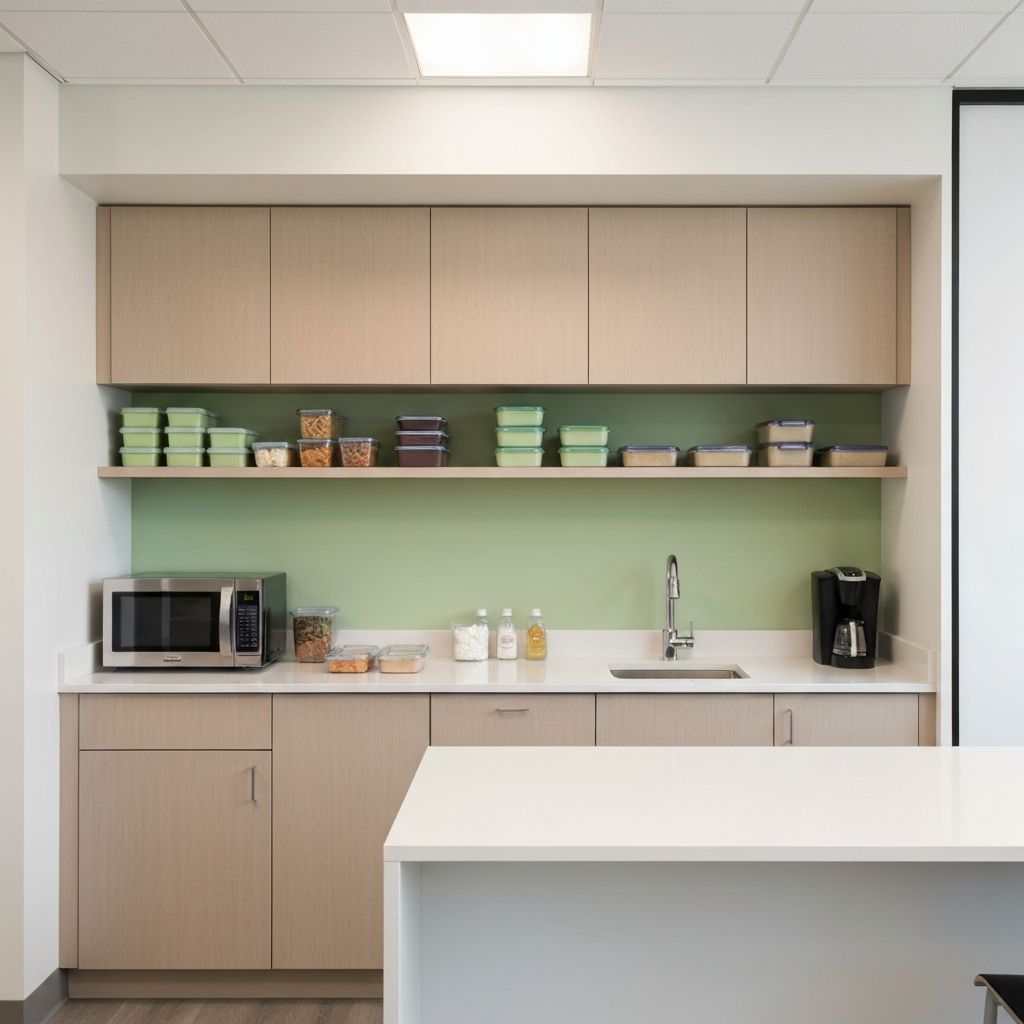
Workplace settings often determine lunch options through available facilities, break duration, and proximity to food sources. Open-plan offices, dedicated break rooms, and canteen availability all shape midday eating patterns.
Time constraints during work hours frequently influence whether individuals bring food from home or obtain meals nearby.

Social and Scheduling Aspects
Lunchtime eating is often influenced by social dynamics at work. Team lunches, meeting schedules, and workplace culture all contribute to when and how people eat during working hours.
Observations suggest that flexible work arrangements may alter traditional lunch patterns significantly.
Coffee Breaks and Snack Choices
Between-meal eating represents a notable aspect of daily food patterns. Whether at home or in the workplace, snacking behaviour appears connected to environmental cues, social situations, and daily rhythms.
Availability and visibility of food options in both settings may influence when and what people choose to eat between main meals. Office kitchens, vending areas, and home pantries each present different contexts for these choices.
Understanding the role of environment in snacking patterns provides insight into broader eating behaviours throughout the day.

Family Meals and Social Influence
Eating alongside others introduces social dimensions to food choices. Family mealtimes, shared cooking responsibilities, and household food preferences all contribute to individual eating patterns.
Research indicates that the presence of others during meals may affect portion sizes, food selection, and eating pace. These social factors operate differently in home versus workplace contexts.
The interplay between individual preferences and group dynamics represents an important aspect of daily eating behaviour.
Meal Planning vs Spontaneity
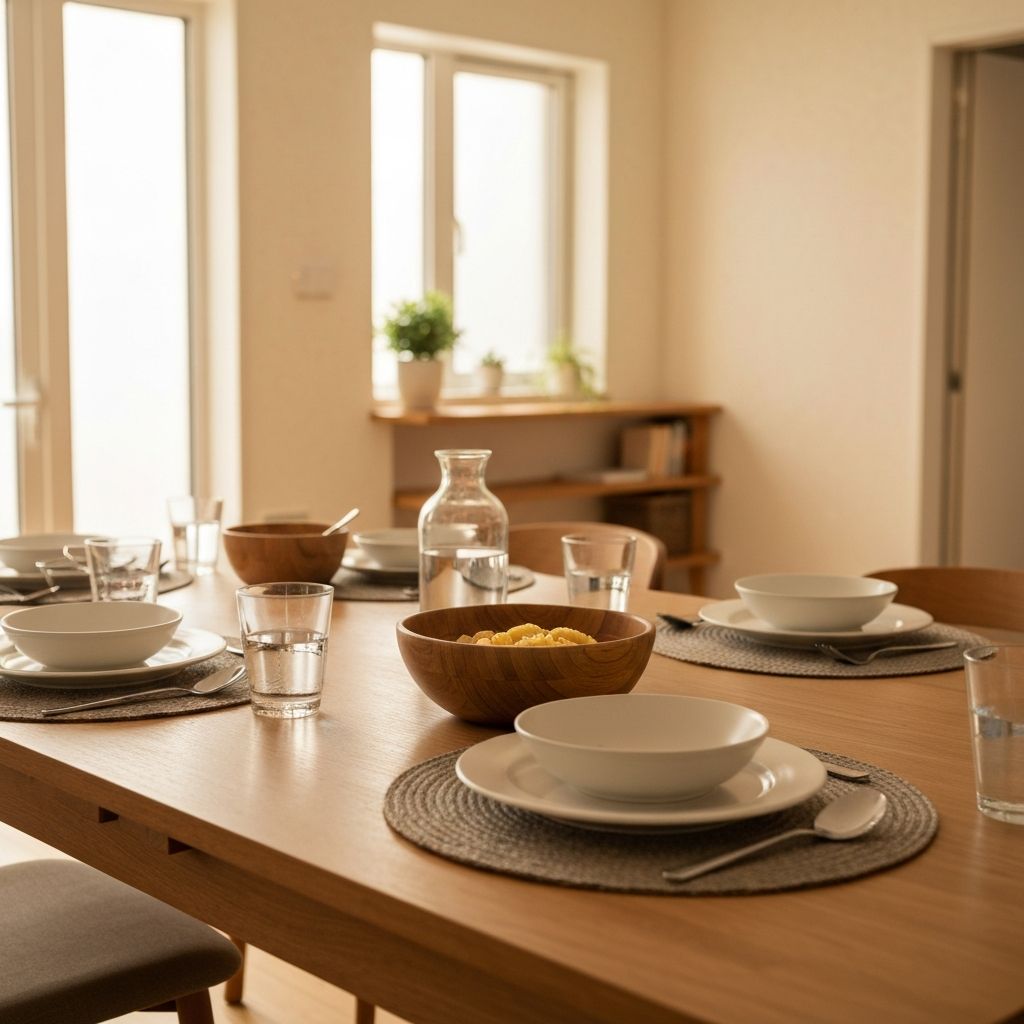
The degree to which meals are planned ahead varies considerably among individuals and contexts. Some households maintain structured meal schedules, while others make food decisions more spontaneously.
Work environments may encourage planning through the need to bring food from home, whilst home settings offer more flexibility for last-minute choices.
Both approaches reflect different responses to daily life circumstances, time availability, and personal preferences regarding food preparation.
Environmental and Schedule Factors
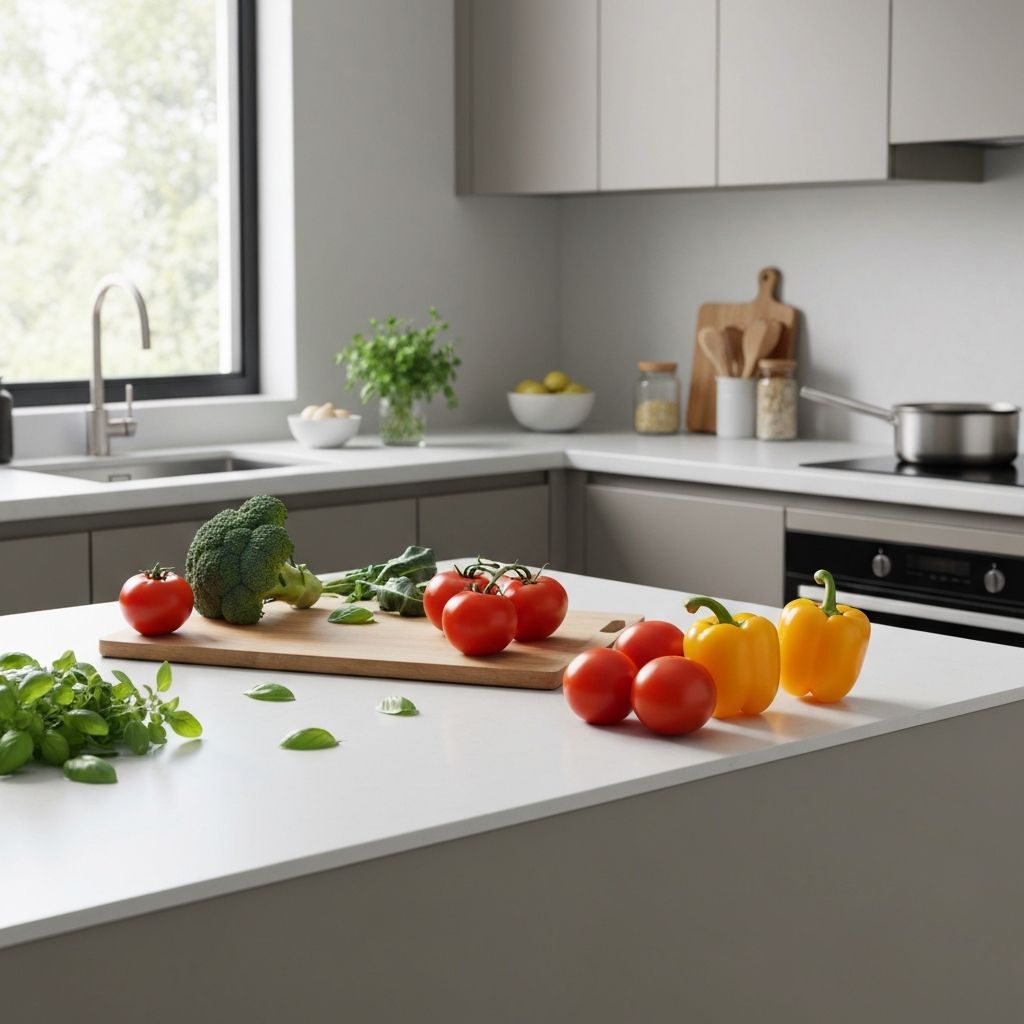
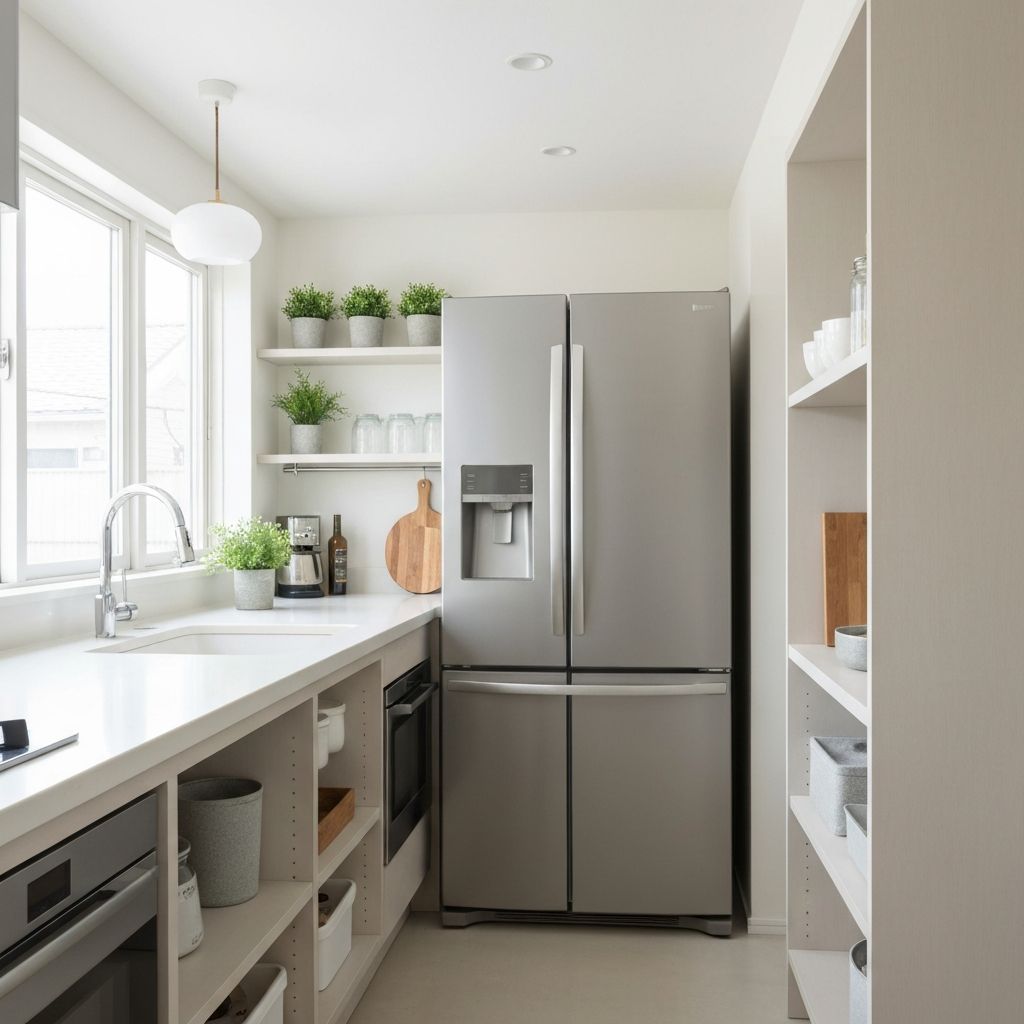
Physical surroundings and daily timetables create the framework within which eating decisions occur. Kitchen layout, storage space, and cooking facilities at home differ markedly from workplace food environments.
Work schedules, commute patterns, and domestic responsibilities all influence when eating opportunities arise throughout the day. These structural factors help explain variations in eating patterns across different life circumstances.
Recognising environmental influences provides context for understanding the diversity of eating behaviours observed across populations.
Mindful Eating Awareness
Attention to the eating experience varies depending on context and circumstances. Distractions at work, multitasking at home, and the pace of daily life all affect how much focus is directed toward meals.
Some environments may support more attentive eating than others. A quiet home meal differs from eating at a busy desk or during a rushed lunch break.
Awareness of these contextual differences helps illustrate the complexity of everyday eating experiences across different settings.

Limitations and Context
The materials presented on this website are intended for general informational and educational purposes only.
This content does not constitute personal advice regarding nutrition, health, or lifestyle choices. Individual circumstances vary widely, and what applies in one context may not apply in another.
Different approaches to eating and food choices reflect the diversity of human experience. This resource does not advocate for any particular method or approach.
The information provided here is not intended to replace individual decision-making or professional guidance where appropriate.
Frequently Asked Questions
What is this website about?
EatAware is an educational resource that explores how different environments—particularly home and work settings—relate to everyday eating patterns. We describe and contextualise these relationships without providing personal recommendations.
Does this site provide nutritional advice?
No. This website offers general educational information only. We do not provide personalised nutritional advice, meal plans, or recommendations. For individual guidance, please consult appropriate professionals.
Who creates this content?
EatAware content is developed for general educational purposes, drawing on publicly available research and observations about eating patterns in various contexts. This is not a medical or clinical resource.
Is this a service or consultation platform?
No. EatAware is purely informational. We do not offer services, consultations, programmes, or any form of personalised guidance. This is a knowledge resource for those interested in understanding eating contexts.
How should I use this information?
This content is intended to provide context and general understanding. It should be considered alongside your own circumstances and, where appropriate, professional advice. We explain patterns rather than recommend actions.
Get in Touch
If you have questions about this educational resource, you may contact us using the form or details provided.
EatAware
15 Queen Street
London, W1B 2HQ
United Kingdom
Phone: +44 20 74 68 93 12
Email: [email protected]
Understand Eating Patterns
Explore how daily contexts shape food choices at home and in the workplace through our educational resources.
Read the Overview